
The Struggle Over the Chatterley Heir
Lady Chatterley's LoverThis flow follows the changing meaning of an heir, from Clifford’s proposed household arrangement to a point of conflict between his authority and Connie’s future.
increasing Bearing strength in each event
 decreasing
Bearing strength in each eventdecreasingInheritance as Continuity
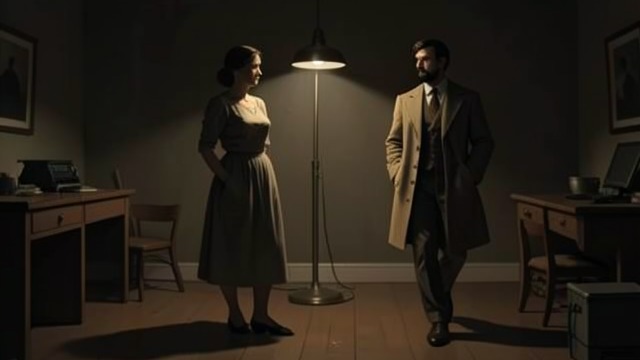
Inheritance as Continuity
A family line under strain
Clifford returns to Wragby knowing that paralysis has made fatherhood unlikely. His family’s expectation that he preserve the Chatterley name sits uneasily beside his physical condition.
The estate represents a continuity that he hopes to maintain through property, work, and a successor. The prospect of a child is therefore both personal longing and an obligation to inherited status.
A marriage asked to compensate
Connie has wanted a child, but the marriage gives her no clear path toward one. Clifford’s lack of sexual capacity is treated as a practical circumstance rather than something the spouses discuss with warmth.
Their silence converts a shared question into an unspoken pressure. The imagined heir becomes a measure of what their marriage cannot provide biologically or emotionally.
The Unnamed Father
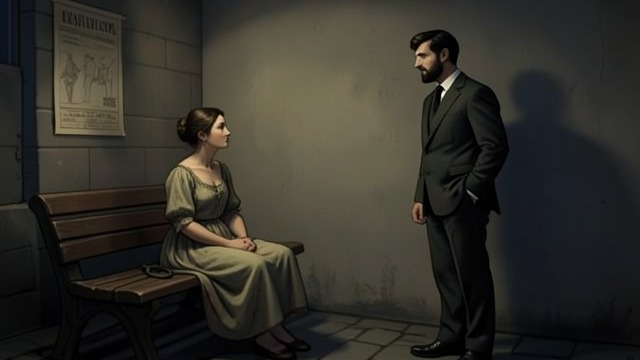
The Unnamed Father
A calculated accommodation
Clifford tells Connie that she might conceive a child with another man and that he could accept the child as his own. He considers the identity of the biological father less important than the child’s place in the household.
This proposal appears to grant Connie sexual latitude, but it remains governed by Clifford’s assumption that he can control the meaning of the result. The child is imagined as an heir to be raised at Wragby.
Connie’s resistance to abstraction
Connie questions whether the other man and his feelings matter. Clifford’s confidence in their shared rhythm cannot erase her recognition that his reasoning excludes the possible father’s independent life.
The proposal opens a possibility without creating consent to its terms. Connie’s eventual relationship with Mellors makes the question of paternity personal, not merely administrative.
The Estate Loses Its Claim
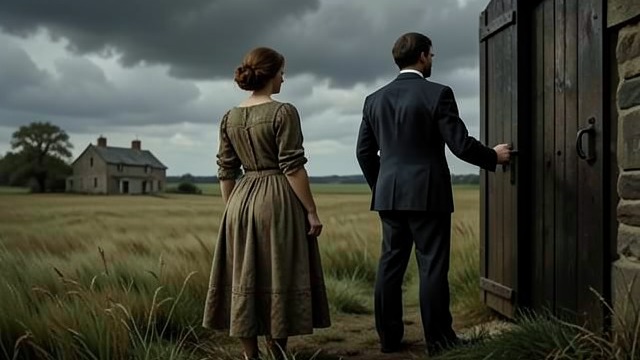
The Estate Loses Its Claim
Pregnancy changes the stakes
Connie tells Clifford that she expects a child by Mellors and intends to live with him. Clifford no longer welcomes the prospect of an heir when it is inseparable from Connie’s departure and a working-class father.
His reaction exposes the limits of his earlier flexibility. The child had been acceptable when it could sustain Wragby without unsettling Clifford’s authority.
A refusal of ownership
Connie says she would rather the child be hers than be legally absorbed into Clifford’s line. Clifford claims not to care about inheritance, but still refuses to divorce her.
The conflict remains unresolved when Connie leaves. Wragby’s future and the child’s status are uncertain, while Connie insists that neither can decide the shape of her life for her.
Soon after the couple settle at Wragby
During Clifford’s proposal that Connie conceive by another man
During Connie’s final declaration to Clifford
